Diagnosis Before Prescription: Rethinking the First Conversation Between Consultant and Client

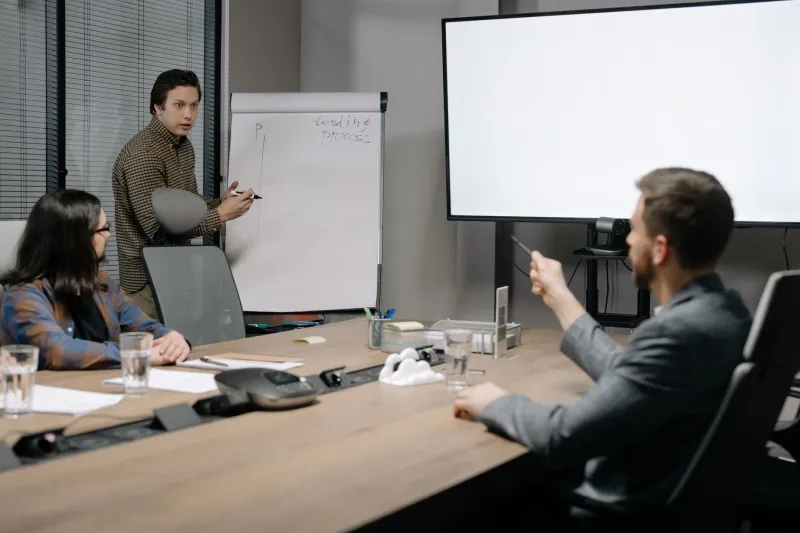
Photo: business consultants first meeting discussion boardroom UK, via thumbs.dreamstime.com
There is a peculiar ritual that plays out in meeting rooms from Manchester to the City of London. A prospective client describes a problem. The consultant nods, waits for a gap in the conversation, and then produces a slide deck. Twenty minutes later, a solution has been offered — complete with a phased approach, a fee structure, and a case study from a business the client has never heard of.
Everyone leaves the room slightly dissatisfied, and nobody quite knows why.
The problem is structural. The pitch, as a format, rewards certainty at precisely the moment when uncertainty should be honoured. A consultant who diagnoses before prescribing is doing something harder and, in my experience, far more persuasive than one who arrives with answers ready-made.
The Pitch Is a Performance, and Clients Can Tell
Consider what a pitch actually signals. It says: I have already decided what your problem is, before I have asked you anything worth asking. It says: my solution is portable, and your situation is simply the latest container for it. Savvy buyers — and UK procurement teams are increasingly savvy — read this instantly.
The alternative is not passivity. It is discipline. A diagnostic first meeting has a shape, and that shape can be learned.
A Practical Structure for the Diagnostic Meeting
The framework I recommend to consultancies runs in four movements.
First, open with the client's own words. Ask them to describe the situation as they see it, uninterrupted, for at least ten minutes. Most consultants talk too much in first meetings; the ratio should be closer to seventy-thirty in the client's favour.
Second, probe the gap between symptom and cause. A chief executive who says "we need a new sales process" often means "we are losing deals and I do not know why." The diagnostic consultant resists the first framing and works patiently towards the second. Three or four well-chosen questions — What have you already tried? What would happen if nothing changed? Who else in the business sees this differently? — will do more work than any slide.
Third, name a hard truth if you see one. This is where most first meetings are won or lost. If the client's stated problem is not the real problem, say so — respectfully, with evidence, and early. Nothing builds credibility faster than a professional who is willing to risk the engagement by telling the truth in the first hour.
Fourth, close with a proposal to think, not a proposal to act. Offer a short, paid diagnostic — two or three weeks, a defined scope, a written findings report. This gives the client a low-risk way to test the relationship, and gives the consultant a proper basis for any recommendation that follows.
Why This Works in the UK Market
British business culture, for all its reputation for politeness, is deeply sceptical of overselling. The hard sell that might pass in some markets lands badly here. A consultancy that opens with questions rather than claims fits the temperament of the buyer — and it aligns with the growing expectation, particularly among SME boards and public-sector commissioners, that advisors demonstrate understanding before demonstrating expertise.
There is a commercial argument too. Diagnostic-led first meetings convert better over the full life of a relationship. The client who has been properly understood in the first hour is the client who renews, refers, and defends your fee at budget time.
The Deeper Shift
Underneath the tactics lies a change in what clients are buying. They are no longer purchasing answers; answers are cheap and abundant. They are purchasing judgement — the ability to sort the important from the urgent, and to say so plainly.
The pitch deck cannot carry that weight. A well-run diagnostic can. Consultants who restructure their first meetings accordingly will find that the proposal almost writes itself — because by the time it is needed, both parties already know what it should say.